Lewisham Council rules for pavement flower stalls and permits
Posted on 26/09/2026
If you are planning a pavement flower stall in Lewisham, the paperwork can feel a bit more complicated than the flowers themselves. One minute you are choosing buckets, displays, and a spot with good footfall; the next you are trying to work out what the council expects, what counts as a permit, and whether your stall can legally sit on the highway without causing problems. The good news is that once you understand the basics of Lewisham Council rules for pavement flower stalls and permits, the whole process becomes much more manageable.
This guide breaks the topic down in plain English. You will learn why the rules matter, how pavement trading permissions usually work, what to prepare before you apply, and how to avoid the mistakes that often slow people down. There is also a practical checklist, a comparison table, and a few real-world tips from the kind of situations traders actually run into on the street. Let's face it, a flower stall has to look lovely and stay compliant. Both matter.
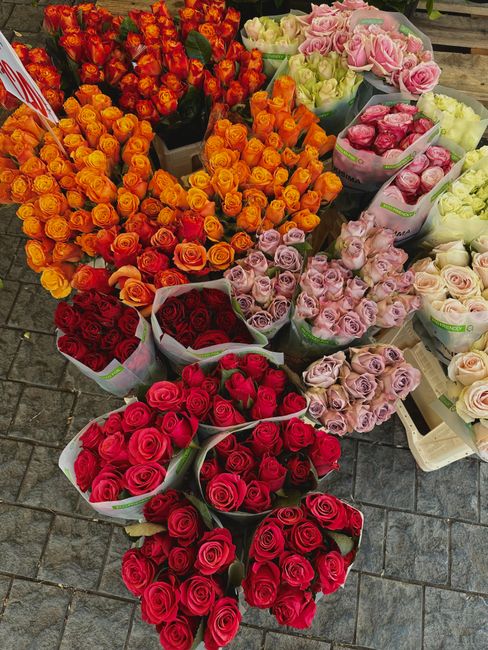
Why Lewisham Council rules for pavement flower stalls and permits Matters
Putting a flower stall on the pavement is not just a display decision. It affects pedestrians, wheelchair users, parents with pushchairs, nearby shopfronts, and traffic flow around the street. In a busy London borough, even a small stall can make a big difference to how a pavement feels. Too narrow an access route and people squeeze past awkwardly. Too much clutter and the whole frontage starts to feel blocked. That is exactly why local rules exist.
For traders, the biggest issue is certainty. You do not want to set up a beautiful little stall only to find out later that the location is unsuitable, the layout is too wide, or the permit you assumed would cover you does not actually do the job. A clear understanding of the rules helps you avoid wasted spend, disputes with neighbouring businesses, and that horrible last-minute scramble when someone asks for permission you thought you already had. Been there? Quite a few people have.
The rules also matter for your reputation. Customers notice when a trader looks organised, tidy, and respectful of the street. A well-run pavement stall can feel charming and local; a messy one can feel like an obstacle. In practice, council compliance is not just about avoiding penalties. It supports smoother trading, better relationships with neighbours, and a more professional presentation overall.
Expert summary: if your flower stall is going anywhere near public pavement space, assume you will need to prove three things: the location is suitable, the setup is safe and accessible, and the arrangement is properly authorised. That simple mindset saves a lot of grief.
How Lewisham Council rules for pavement flower stalls and permits Works
At a practical level, pavement flower stalls usually fall into the broader category of street trading, pavement licensing, or permission to place items on the public highway. The exact route depends on what you are doing, where you want to do it, and whether your display is fixed, temporary, mobile, or linked to an existing shop. In plain terms: a stall outside a florist is often treated differently from a freestanding seasonal pop-up on a busy high street.
You should expect the council to look at the location first. That usually means checking the width of the pavement, clear access for pedestrians, visibility for road users, nearby crossings, bus stops, loading areas, and whether the stall would create an obstruction. A council will generally want to know how much space you need, what the stall looks like, when it will be in place, and how you will keep the area safe and tidy.
There is also a distinction between the stall itself and the goods on it. Buckets, stands, planters, signage, and queueing customers all count as part of the practical footprint. People sometimes forget that one angled signboard or a row of oversized display buckets can be enough to tip the layout from acceptable to problematic. Small detail, big consequence.
Because the rules can depend on the street and the type of trading, it is wise to treat the council process as a location-specific approval rather than a one-size-fits-all permission. If you already operate as a florist, pages like florist in Lewisham SE13 and flower shops in Lewisham SE13 can help you think through how a pavement setup fits with an existing shopfront. That matters, because a shop extension and a standalone stall are not always treated the same way in practice.
What the council is usually trying to assess
- Pedestrian safety and footway width
- Accessibility for disabled users and pushchairs
- Impact on neighbouring businesses and residents
- Visual tidiness and street appearance
- Trading hours and potential noise or congestion
- Whether the stall can be managed without nuisance
If your setup is time-sensitive, for example if you want a flower stall for a weekend event or seasonal rush, the timing of your permission can matter too. You might use an established local delivery service such as same day flower delivery in Lewisham SE13 or next day flower delivery in Lewisham SE13 as a back-up channel while you wait for approval, so you are not relying only on walk-by trade. That is a practical little buffer, and honestly, it helps.
Key Benefits and Practical Advantages
Following Lewisham Council rules for pavement flower stalls and permits may feel restrictive at first, but in reality it can make trading easier. Approval gives you a clearer operating position, which means less uncertainty when setting up each morning and less stress if someone asks whether you are authorised. That calm matters more than people think.
There are also commercial benefits. A permitted and tidy pavement stall can increase visibility, especially on streets with steady footfall. Flowers sell well when they catch the eye, and a well-presented display can turn passing traffic into customers within seconds. You do not need a massive pitch for that. A neat, well-managed frontage is often enough.
Another advantage is consistency. Once your system is working, you can standardise how buckets are arranged, how stock is protected from the weather, and how the stall is packed away at the end of the day. That creates a more reliable trading rhythm. And let's be fair, flowers are already delicate enough without adding avoidable chaos.
For some traders, the permit process also improves internal operations. It forces you to think about stock rotation, daily setup, waste, storage, and cash handling in a more disciplined way. In a business built around freshness, that is no bad thing.
| Approach | What it usually suits | Typical strengths | Typical drawbacks |
|---|---|---|---|
| Pavement stall with permission | High-footfall frontage, shop-linked displays, regular trading | Better visibility, clearer compliance, more customer engagement | Needs planning, space checks, and ongoing tidiness |
| Mobile display outside a shop | Smaller frontage, flexible setups, short trading windows | Quick to adjust, less permanent feeling | Still needs the right approval and careful placement |
| Online and delivery-led sales | Traders who want fewer street-side constraints | Lower public-space risk, wider reach, easier control | Less walk-in visibility, more reliance on marketing |
If you are balancing street presence with broader sales, you may also want to look at flower delivery in Lewisham SE13 and send flowers in Lewisham SE13. They are useful if your pavement stall is only one part of the business rather than the whole model.
Who This Is For and When It Makes Sense
This topic is for anyone thinking about placing flower stock on a Lewisham pavement, whether permanently or for set trading periods. That includes independent florists, local shop owners, market-style traders, seasonal pop-ups, and businesses testing whether a street-facing display will work before committing to something bigger.
It also matters if you are already trading and want to expand into the public realm without creating a compliance headache. A lot of people assume a small display is harmless. Sometimes it is. Sometimes it is not. The difference usually comes down to pavement width, placement, and whether the arrangement is properly authorised. That's the part people discover only after a complaint or an inspection, which is never the ideal way to learn.
If you are a florist near a busy parade or high street, it makes sense to think carefully about how pavement trading fits into the wider business. For example, a store that offers birthday flowers in Lewisham SE13, funeral flowers in Lewisham SE13, or wedding flowers in Lewisham SE13 may use the stall as a visible extension of a broader service rather than a standalone retail method. In that case, the stall is a brand touchpoint as much as a sales point.
It also makes sense if you want to build local recognition. On a wet Thursday morning, a row of fresh blooms near the kerb can do more for awareness than a dozen digital ads. There is something immediate about seeing flowers in the street. You notice them, and then you remember the shop.
Step-by-Step Guidance
If you are preparing to apply or check compliance, work through the process in a structured way. The details can vary, but the sequence below is a sensible starting point.
- Define the exact setup. Is it a fixed stall, a temporary pavement display, a movable rack, or flowers placed outside an existing shop? Write down the dimensions and the hours you want to trade.
- Measure the space carefully. Do not guess. Measure the width you need, how far the display will project, and the pedestrian space left after setup. A few extra inches can matter more than you would like.
- Check the immediate surroundings. Look for crossings, dropped kerbs, bus stops, loading bays, lamp columns, street furniture, and neighbouring access points. A stall that looks fine in isolation may cause trouble in context.
- Prepare a simple site sketch. Even a clean hand-drawn layout can help show where the stall sits and how people will pass it. Councils appreciate clarity. So do customers, frankly.
- Gather business details. You may need company or trader information, contact details, operating hours, and evidence of public liability cover if requested. Keep the paperwork ready.
- Confirm the permission route. Make sure you understand whether you are seeking a pavement licence, street trading authorisation, or another type of local consent. Do not rely on guesswork or someone else's setup down the road.
- Plan stock management. Fresh flowers need water, shade, and a safe system for handling waste and spills. A beautiful display that leaves puddles on the pavement is not a good look.
- Build a tidy close-down routine. Decide how the stall will be removed, secured, or cleaned at the end of the day. A fast, consistent pack-away routine saves time and prevents complaints.
A small but useful tip: take photos of the location before you set up, especially at the times of day when the street is busiest. Morning light, lunch-time traffic, and evening pick-up patterns can show whether the space really works in practice. It is a simple habit, but useful.
Expert Tips for Better Results
From a trader's point of view, the best pavement stall is one that looks easy to browse and easy to pass. That sounds obvious, but you would be surprised how often displays become overpacked. A few strong buckets at eye level often do more than a wall of flowers squeezed into every available inch.
Keep the frontage readable. If customers cannot see where the walkway starts and ends, they hesitate, and hesitation kills impulse purchases. A clean edge to the stall also helps with council compliance because it visually reinforces the difference between trading space and walking space.
Weather planning matters too. In London, one minute it is drizzly and grey, and the next the sun is bouncing off the pavement. Flowers can wilt, buckets can tip, and signs can slide. Secure bases, weighted containers, and waterproof packing materials are worth the bother.
If you trade near commuter routes, think about quick-buy bouquets. A pedestrian rushing to the station is not going to spend five minutes deciding between twelve similar arrangements. A small range of ready-to-go bunches, plus a few higher-value options, usually works better. You can still keep the display elegant. Just make it easy.
One more thing: talk to nearby businesses. A quick conversation can prevent complaints before they start. If your stall is neat, does not block access, and looks like it belongs on the street, neighbours are far more likely to be supportive. That human bit matters more than policy documents sometimes do.
And yes, label things clearly. Price confusion creates awkwardness, and nobody wants to stand there pretending they can read a tiny tag while a breeze flips it around. A little humour there, but it is true.
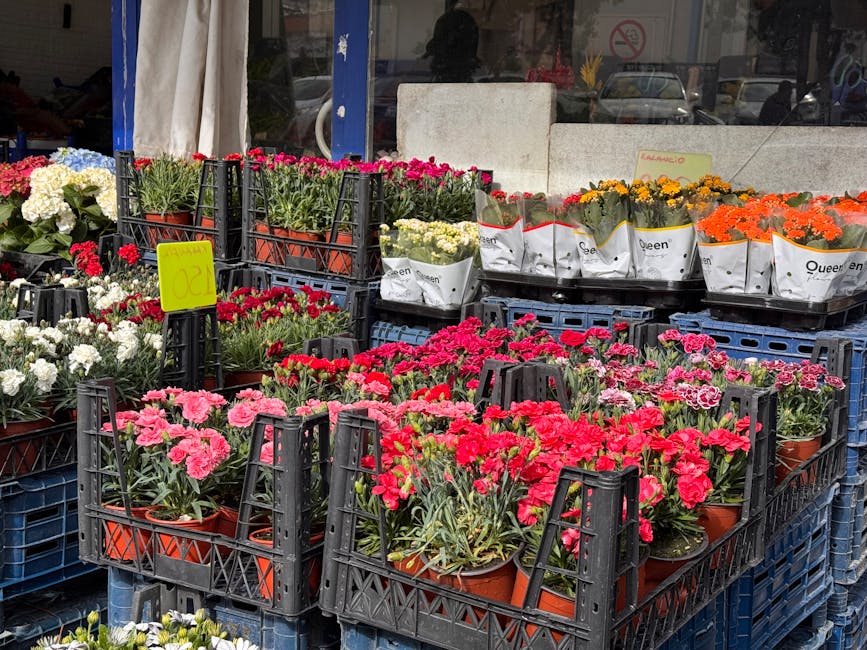
Common Mistakes to Avoid
Most problems with pavement stalls are avoidable. The same mistakes come up repeatedly, and once you know them, you can sidestep a lot of hassle.
- Assuming a small display does not need permission. Small does not automatically mean exempt. The context matters.
- Forgetting to account for the full footprint. Buckets, signs, stands, and customer spacing all count.
- Blocking access routes. A stall that narrows the pavement too much can quickly become a complaint issue.
- Using a one-size-fits-all layout. What works on one street may fail on another.
- Ignoring weather effects. Wet surfaces, wind, and heat can all affect safety and presentation.
- Leaving stock looking untidy. Dying flowers, broken stems, and water spillages make the setup look unmanaged.
- Relying on verbal approval only. If permission matters, get the proper confirmation in the proper form.
- Not checking renewal or review dates. Permissions can be time-limited or conditional, so keep track.
A common real-world scenario is the "temporary" display that quietly becomes permanent. The trader thinks, it's only for now, then months pass. Before long, the street layout has changed around it, and the original assumptions no longer hold. That is exactly how disputes begin.
Tools, Resources and Recommendations
You do not need fancy systems to manage a pavement flower stall well, but you do need a few reliable basics.
- Measuring tape for width, depth, and clear walking space
- Simple site sketch showing stall position and access routes
- Weather-resistant containers or weighted bases
- Clear price labels that stay readable in wind and rain
- Checklist sheet for opening and close-down tasks
- Phone camera to record setup positions and any layout changes
- Water management supplies to reduce spills and keep stock fresh
On the business side, it can help to compare your street setup with your wider sales channels. If you already sell through local delivery or special-order bouquets such as cheap flowers in Lewisham SE13 or best flower delivery in Lewisham SE13, your pavement stall may work best as a visibility tool rather than your only sales engine. That gives you more flexibility if weather, permissions, or footfall shift.
You can also use product pages to think about merchandising. For instance, a pavement stand that features easy-to-grab bunches alongside seasonal favourites from the range can feel more coherent than a random mix. Pages like best sellers, summer flowers, and flowers in a vase are useful reference points when shaping what belongs on a visible front-of-shop display.
Law, Compliance, Standards, or Best Practice
Because pavement flower stalls use public space, compliance should be treated seriously. In the UK, the basic expectation is that traders do not obstruct pedestrians, create avoidable hazards, or place items on the highway without proper authority. Local councils can have their own processes, and the exact permission required depends on the nature of the trading arrangement. That is why careful checking matters.
Best practice usually includes the following:
- Keeping a clear pedestrian route at all times
- Maintaining a tidy, stable, and safe display
- Making sure any signs or fixtures do not create hazards
- Removing or securing items outside permitted hours
- Avoiding nuisance to neighbours, shoppers, and passers-by
- Keeping records of permission, conditions, and review dates
If your flower business also handles delivery, refunds, or wider customer service, consistency matters there too. Customers often judge a business by the little things, not just the bloom quality. Pages such as delivery, returns and refund, flower care, and guarantees show the sort of operational clarity that supports trust, even when the main subject here is pavement trading.
Truth be told, compliance is easier when it is built into the business routine instead of added on as an afterthought. That means training staff, keeping a tidy display standard, and reviewing the stall after busy days, not just after something goes wrong.
Options, Methods, or Comparison Table
There are a few ways to approach flower sales in Lewisham, and your best option depends on space, overheads, and how much flexibility you need. Here is a simple comparison.
| Method | Best for | What to watch | Good fit if you want... |
|---|---|---|---|
| Pavement flower stall | Street visibility and impulse purchases | Permission, access space, weather resilience | High footfall and local presence |
| Shopfront display | Existing florists with a frontage | Keeping displays tidy and not overextending into the pavement | A polished, brand-led storefront |
| Delivery-first model | Traders who want broader reach without relying on passers-by | Packaging, timing, and operational reliability | More controlled sales and fewer street-side constraints |
| Seasonal pop-up | Events, holidays, or short trading windows | Temporary permissions and careful planning | Flexibility without a full-time stall |
The right model often changes over time. A new business might begin with a delivery focus, test a small shopfront display, and only then consider a pavement stall once customer patterns are clearer. That is usually smarter than going all in on day one. Not glamorous, maybe, but sensible.
Case Study or Real-World Example
Imagine a small florist near a busy street in SE13. The owner wants to place three display buckets outside the shop from Friday morning through Sunday afternoon. At first glance, it sounds simple. But the pavement is narrower than expected at the kerb edge, a bus stop sits nearby, and the shop next door already has A-board signage outside. Suddenly the usable space is tighter than anyone thought.
The florist measures the frontage properly, sketches the proposed layout, and adjusts the display so customers can view the flowers without blocking the walking line. Instead of oversized containers, they choose slimmer buckets and use a small, clear signboard with prices. They also build a quick daily routine: place display, check access, top up water, clear away at closing.
What changed? Not the flowers. The setup.
That kind of adjustment can make the difference between a display that feels welcoming and one that creates friction. In practice, the neatest stalls are usually the ones that are planned like mini operations rather than improvised like a weekend garage sale. A little restraint goes a long way.
Practical Checklist
Use this before you open or renew a pavement flower stall arrangement.
- Have I confirmed the correct permission route for the exact location?
- Do I know the stall dimensions and the total footprint, including signs and buckets?
- Is there enough safe walking space for pedestrians, wheelchairs, and pushchairs?
- Have I checked for nearby bus stops, crossings, loading bays, or street furniture?
- Is the display stable in wind, rain, and busy footfall?
- Are flowers, labels, and containers tidy and professionally presented?
- Do I have a daily setup and close-down routine?
- Have I recorded the permission details and any conditions?
- Do I know who to contact if the layout needs to change?
- Have I considered how the stall fits with delivery, shop sales, or other channels?
If you can tick all of those off, you are in a much stronger position. Not perfect, because street trading rarely is, but much stronger.
Conclusion
Lewisham Council rules for pavement flower stalls and permits are really about balance: making good use of public space while keeping streets safe, accessible, and pleasant. For traders, the goal is not simply to "get permission" and move on. The better approach is to build a setup that works smoothly day after day, supports your brand, and respects the people walking past your stall.
If you take one thing from this guide, let it be this: measure first, plan carefully, and do not assume a small display is automatically fine. The most successful pavement flower stalls are the ones that feel effortless because the hard thinking happened earlier. That is the quiet part people do not always see.
Get a free quote today and see how much you can save.
And if you are still deciding, that is fine too. A little extra checking now can save a lot of stress later, and a calm start is worth more than a rushed one.
Frequently Asked Questions
Do I need a permit for a flower stall on the pavement in Lewisham?
In many cases, yes, because pavement trading usually involves using public highway space. The exact permission depends on the setup, location, and whether the stall is linked to an existing shop. It is safer to check the council route first rather than assuming a small display is exempt.
What counts as a pavement flower stall?
A pavement flower stall can mean any flower display, stand, bucket arrangement, or temporary setup placed on the public footway for sales or presentation. It is not just a permanent kiosk. Even a modest front-of-shop arrangement may count if it uses public space.
Can I put flowers outside my shop without permission?
Not necessarily. Even when the display is small, the council may still expect authorisation if you are using pavement space. The key issues are obstruction, safety, and whether the display falls within the rules that apply to your street.
How long does approval usually take?
That can vary depending on the council process, the site, and whether any extra checks are needed. It is sensible to allow time for questions, amendments, or site-specific review. If you are planning for a seasonal rush, leave more time than you think you need.
What information will I probably need to provide?
Usually you should be ready with your business details, the exact location, a description of the stall, approximate dimensions, and operating hours. You may also need supporting information about safety and how pedestrians will pass the display.
What makes a pavement stall more likely to be approved?
A stall is more likely to work well if it leaves a clear walkway, looks tidy, is stable, and does not interfere with nearby access points. Councils generally care about practical effects on the street, not just how pretty the flowers are.
Do temporary flower displays need the same checks as permanent ones?
Often yes, or at least similar checks. Temporary does not automatically mean informal. If the display still uses public pavement space, the council may want to know what you are doing, for how long, and how you will keep it safe.
What are the main risks of getting it wrong?
The main risks are complaints, requests to remove the display, wasted stock, possible enforcement action, and awkwardness with neighbours or customers. In plain English, it can get messy quickly if the setup is not properly thought through.
Can a flower stall help sales even if most orders are online?
Yes, absolutely. A pavement stall can work as a visible brand signal, especially in a local area with steady footfall. It can support online and delivery sales by making the business feel more present and easier to remember.
Should I use the same display all year round?
Not always. Seasonal adjustments usually work better because they keep the stall fresh and relevant. A spring display, for example, may look very different from a winter one, and that variety can help attract attention.
What if the pavement is very narrow?
If the pavement is narrow, you may need to reduce the size of the display, move the stall location, or rethink the whole setup. Narrow pavements are where problems usually begin, because access and safety become much harder to manage.
Is it worth combining a pavement stall with delivery sales?
Usually, yes. A mixed model gives you more resilience. If footfall is quiet, delivery can carry the business; if deliveries are slow, the pavement display may still attract walk-in customers. It is a practical hedge, and a pretty sensible one at that.